
The anatomy of a strong request: citation, specific description, date range, and contact details.
The Core Principle: Be Specific, Not Broad
The most common mistake people make is writing a request that is too broad. "All records about the development project" is an invitation for an agency to claim the request is too vague, too burdensome, or too expensive to fulfill. A specific request that identifies particular documents is harder to deny and faster to fulfill.
Think of it this way: you're asking a records clerk to search filing systems and email archives. The more precisely you can tell them what to look for, the faster they can find it and the less room there is for delay or denial.
7 Elements of a Strong Request
1. Cite the Specific Law
Always cite the name of the open records law in your request. Don't just say "under FOIA" — use the correct state law name. "Pursuant to the Texas Public Information Act, Government Code Chapter 552" tells the records officer immediately what law governs the request and what their obligations are.
2. Describe Records With Specificity
Name the type of document, the subject matter, the relevant time period, and the relevant parties. Compare:
- Weak: "All records about the highway expansion project"
- Strong: "All contracts, emails, and meeting minutes between the Ohio Department of Transportation and Turner Construction Co. regarding the I-71 expansion project in Franklin County from January 1, 2023 to December 31, 2023"
3. Specify the Format
Request electronic format (PDF or native files). This avoids printing and scanning fees, speeds delivery, and produces better quality documents. Add: "I request records in electronic format, delivered by email or download link."
4. Set a Fee Threshold
Include a line like: "Please notify me before incurring any fees exceeding $25." This prevents surprise fee estimates and gives you the opportunity to narrow your request if costs are high.
5. Request Fee Waiver Language
If you qualify for a fee waiver (journalist, nonprofit, public interest purpose), include your fee waiver argument in the original request — don't wait to be charged first. Use our Fee Waiver Builder to generate appropriate language.
6. Provide Contact Information
Include your name, email address, phone number, and mailing address. Agencies need to be able to reach you for clarifications, fee estimates, and production notices.
7. Keep a Copy and Date Record
Always retain a copy of exactly what you submitted and note the date and method of submission. This is essential if you need to appeal or file a complaint about a missed deadline.
🖨️ Recommended Tool: A Dedicated Document Scanner
Once your records arrive — especially paper copies of police reports, court filings, or permit files — keeping them organized matters. A dedicated document scanner lets you digitize everything you receive into searchable PDFs in seconds, so you have a permanent digital record alongside the physical copies — useful if you ever need to share files with an attorney, insurer, or appeals body.
- Epson Workforce ES-50 — a compact, portable single-sheet scanner, USB powered. Best for occasional use and tight desk space.
- ScanSnap iX2500 — a faster wireless scanner with a 100-page auto document feeder and large touchscreen. Best if you expect to digitize records regularly or in bulk.
As an Amazon Associate, we earn from qualifying purchases.
Before You Write: Do Your Research
Five minutes of research before writing a request can save weeks of back-and-forth:
- Identify exactly which agency holds the records — don't request from the wrong department
- Check the agency's website for a records request portal or preferred submission method
- Look for records already published online — many agencies publish contracts, meeting minutes, and financial records proactively
- Check your state's public records law for any specific requirements about how requests must be submitted
Common Mistakes That Cause Delays
| Mistake | What Happens | Fix |
|---|---|---|
| Request sent to wrong agency | Forwarded or ignored; clock doesn't start | Research which agency holds the records first |
| Too vague ("all records about X") | Agency claims it's too broad and asks for clarification | Add specific document types, dates, parties |
| No contact information | Can't receive fee estimates or clarification requests | Always include email and phone |
| Requesting records that don't exist | Denial — "no responsive records" | Verify records exist before requesting (news reports, official statements) |
| Asking for analysis or creation of new records | Denial — agencies must produce existing records, not create new ones | Request existing records (e.g., database export, not a custom report) |
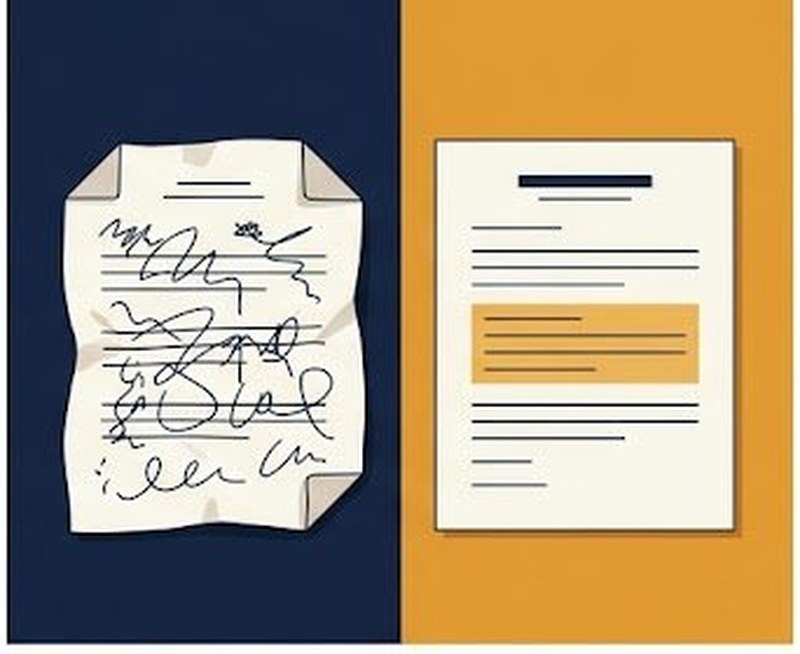
A side-by-side look at what separates a request that stalls from one that gets fulfilled quickly.